
June 2026
We Love to Climb Hills at Desda
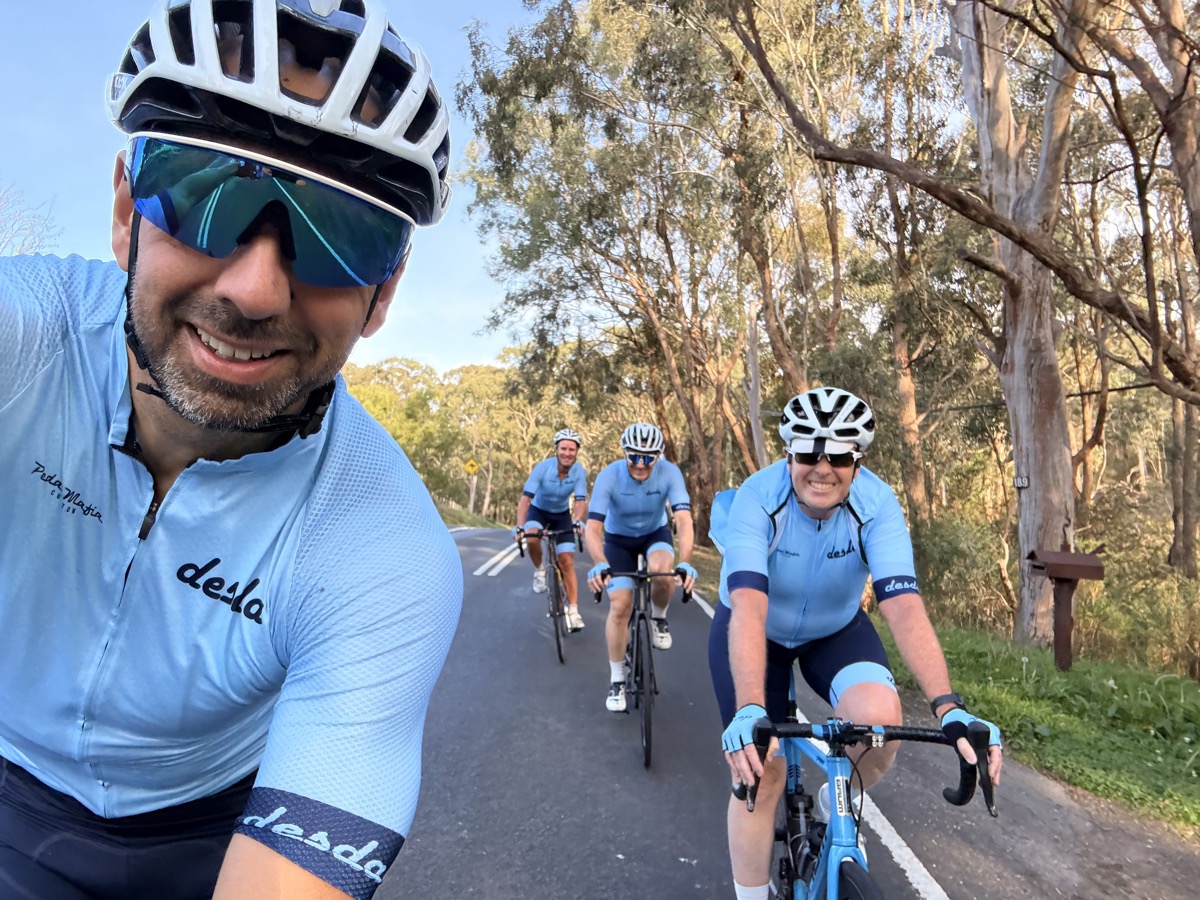
The Desda crew ready to roll — Melbourne, 16 May 2026
A gentle Desda spin, with a cool 15°C Melbourne chill in the air and a sky that was unmistakably — well, Desda Blue! Clipped in an 1,000m of hills to climb around Mt Pleasant.
The Hill Is the Point
There's something honest about a hill. It doesn't negotiate. It doesn't care about your timeline, your excuses, or how you felt on the last climb. It just sits there, gradient and all, waiting.
At Desda, we've come to think of hills as a feature rather than a bug — in our work and away from it.
The most rewarding projects we've delivered haven't been the easy ones. They've been the ones that required us to stay in the seat when things got hard, push through the uncomfortable middle section, and trust that the top was coming. The moment you crest a hill — whether that's delivering a complex superannuation programme for a major fund, or breaking ground on that difficult challenge — that feeling doesn't come from the downhill. It comes from the climb.
1,000 metres of elevation on a Saturday doesn't happen in a straight line. It's a series of smaller efforts: grinding up one rise, recovering briefly, then committing to the next. Long programmes of work are the same. The finish line of a rewarding engagement is built from dozens of smaller crests along the way — a difficult conversation navigated well, a data problem finally solved, a report that lands exactly right.
The Peloton Principle
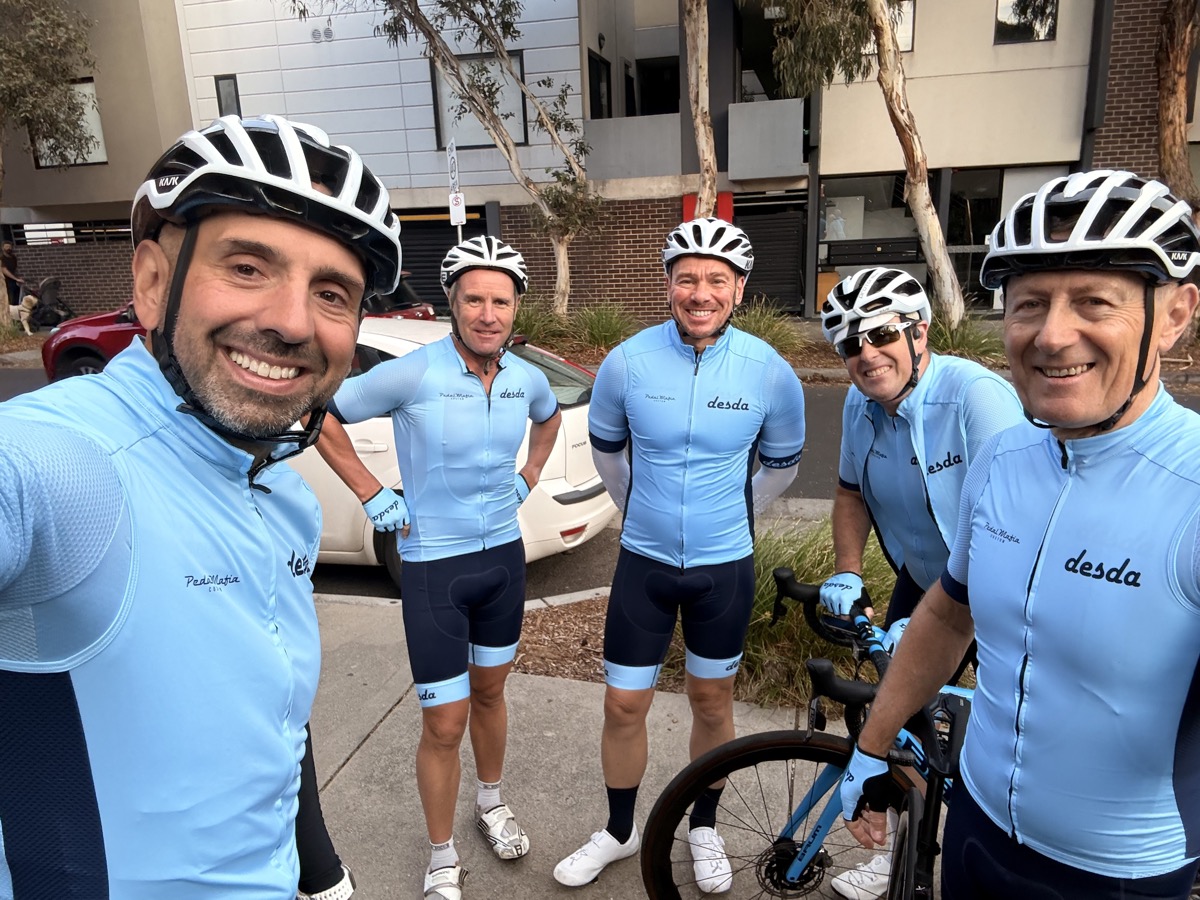
Chopping turns through the bush — the peloton does the work together
What makes a hill better? Company. And what makes a headwind survivable? Someone willing to take a turn at the front.
In a peloton, work is shared. Riders chop turns — rotating to the front into the wind, doing their time, then peeling off to recover in the shelter of the group before cycling through again. Nobody stays exposed for too long. Nobody free-wheels for too long either. When someone is struggling on a climb, you give them a wheel — sit just ahead of them, let them tuck into your slipstream, share the effort until they find their legs again.
It works because everyone trusts that the favour will be returned.
We work exactly the same way. When a project gets hard — and the good ones always do — you want to be in a team where people naturally move to the front. Where a colleague senses you're getting blown about and quietly takes some of the load. Where the pace is set collectively, not by whoever is most willing to burn themselves out.
The wind is always there. On a bike, it's weather. On a project, it's the noise that accumulates around any piece of meaningful work — scope that creeps, changes that arrive without warning, and the particular talent some organisations have for scheduling yet another meeting to discuss the work rather than actually doing it. Left unchecked, that noise batters the team and bleeds energy away from what actually matters.
A good team functions like a good peloton. It organises itself so that its members are sheltered from the elements. Senior people absorb the politics so the analysts can focus. The delivery lead handles the scope conversation so the workstream doesn't get pulled off course. Everyone takes their turn in the wind — but nobody faces it alone, and nobody faces it for longer than they need to. The goal is always to get the right people doing the right work, with as little drag as possible.
That's not just good management. That's just good teamwork — the kind you only really develop by actually doing hard things together.
Work Hard, Ride Hard, Stay Social
The mix of work and play matters more than most people admit.
We are a small team that punches well above our weight. Part of how we do that is by genuinely investing in each other outside of work — not in a forced, corporate way, but in the way that people who actually like each other tend to. Weekend rides. Morning runs. The occasional hill that nobody sane would choose but everyone's glad they did.
The people who bring the most to a client engagement on a Tuesday are usually the same people who showed up for a 6 am ride on a Saturday. Not because suffering builds character (though it might), but because doing hard things together — in whatever form that takes — builds the kind of trust that you simply cannot manufacture in a meeting room. When you've given someone a wheel up a hill on a cold Melbourne morning, you already know something important about them. And they know something about you.
That matters when things get hard at work. And the good work always gets hard.
At Desda, we believe the best work comes from people who bring their whole selves to what they do — on the clock and off it. If you want to know more about who we are, visit www.desda.com.au or get in touch at admin@desda.com.au